

BLOG
Select a RichAuto DSP controller from the machine application first
A practical shortlist for standard router, rotary and ATC controller requirements.
On this page
Choosing a DSP controller starts with the work the machine must perform, not the shape of the handheld unit. A standard router, a rotary machine and an automatic tool changer each need a different compatibility review.
Start with the machine workflow#
Use the workflow to make a shortlist, then verify every connection against the actual cabinet and machine documentation.
| Machine workflow | First controller to evaluate | Confirm before ordering |
|---|---|---|
| Standard three-axis router | A11 | Existing wiring, spindle run command and speed-control method |
| Rotary or four-axis work | A18 | Rotary mechanism, axis mapping and driver signals |
| Automatic tool changer | B57 | Tool magazine, T-command sequence, tool-library need and machine I/O |
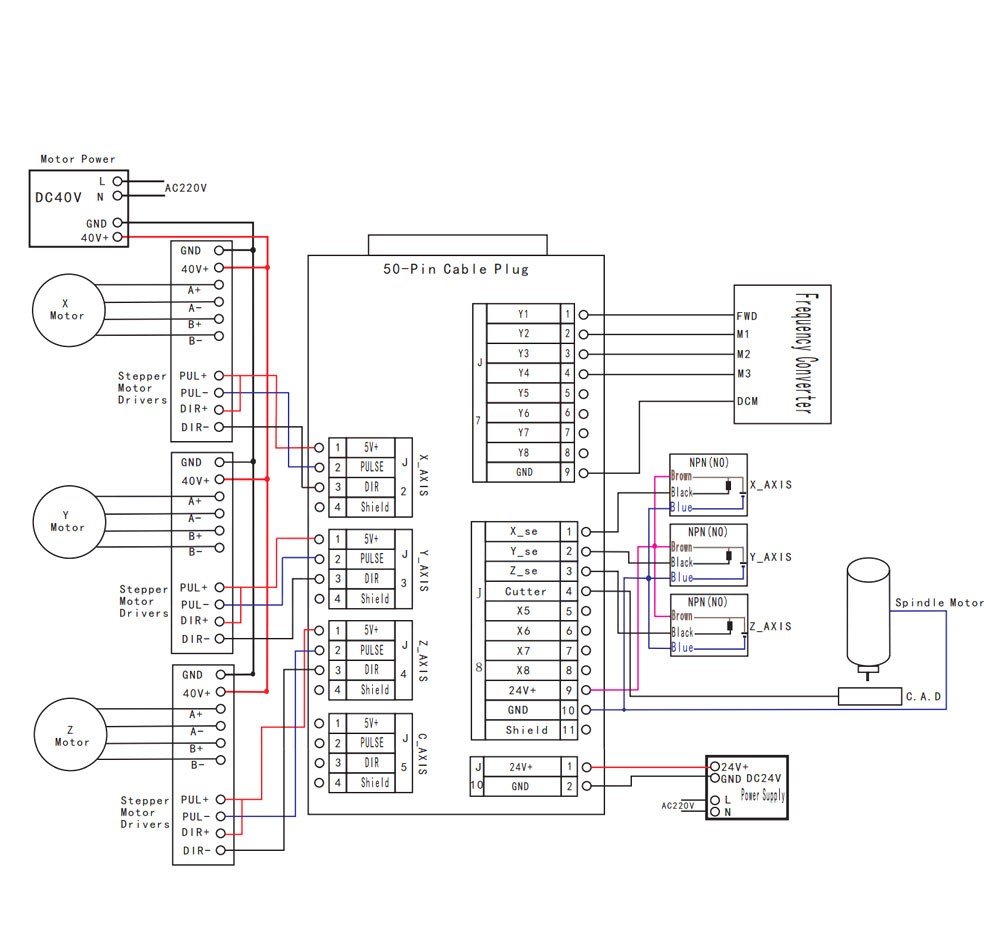
The table is a selection path, not a wiring diagram. A controller can be suitable for the general workflow while still being unsuitable for the installed drive, sensors or cabinet terminals.
Build a usable compatibility brief#
The most useful inquiry starts with evidence from the existing machine. Send the details in one list so the controller, wiring and machine functions can be compared together.
Machine application: router / rotary / ATC
Axis count and axis names: X, Y, Z, [A]
Existing controller and wiring-board labels:
Spindle command: run/stop and speed-reference method
Required special functions: rotary / tool magazine / alarms
Photos: controller, wiring board, cabinet terminals and machine connectors
Standard router work#
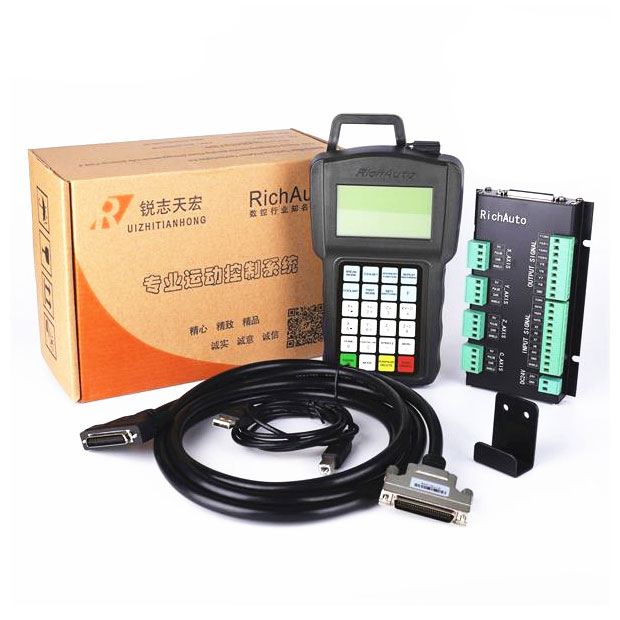
For a conventional three-axis router, begin by checking the current control path: axes, spindle run command, speed reference and the connectors between the handheld controller and cabinet. The A11 is a focused starting point for that review when the existing machine workflow is standard router work.
Rotary and four-axis work#
Rotary work adds more than one axis label. Confirm how the rotary mechanism is driven, how the machine maps that axis, and which driver signals the cabinet expects. A18 is a practical model to evaluate only after those points are known.
ATC work#
An ATC machine must coordinate its controller with the tool magazine and the related machine signals. The B57 is retained for ATC evaluation; its published tool-library and T-command functions still need to be checked against the magazine hardware, tool count and cabinet I/O.
Turn the shortlist into a verified order#
Once the controller family matches the workflow, compare the supplied photos and requirements with the proposed configuration. Confirm which functions must be retained, which signals are already present, and what requires machine-side changes. This protects the purchase decision from an assumption made only from model names.
Practical next step#
If the machine has a tool changer, continue with the ATC controller checklist. If it uses a rotary mechanism, compare the four-axis and rotary path. For any replacement, include machine and wiring evidence with the RFQ so compatibility can be reviewed before ordering.